
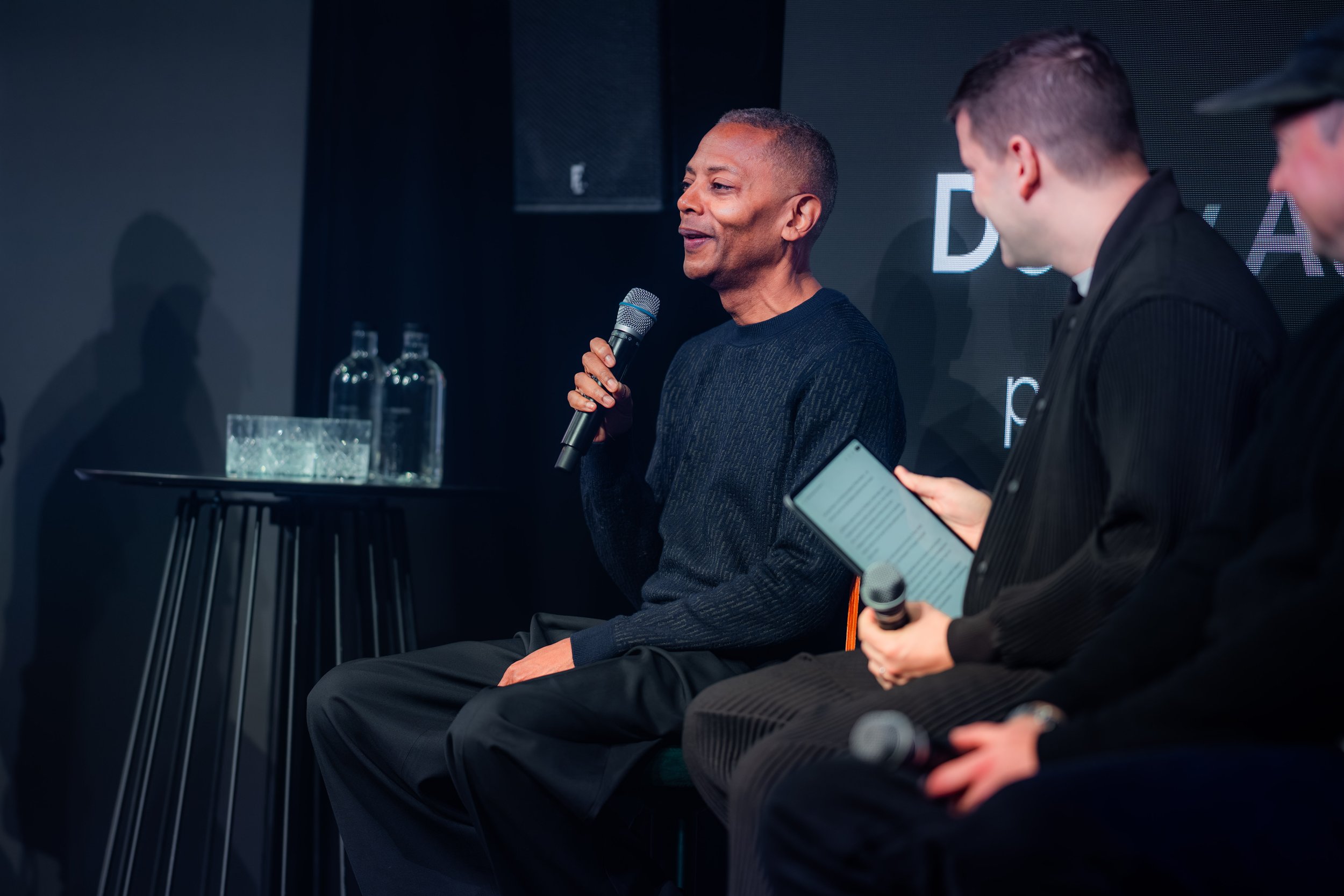
On March 25, Dutch trance pioneer Armin van Buuren joined Apple Music’s Stephen Campbell (Global Head of Dance, Electronic & DJ Mixes Apple Music), and Tim Sweeney (Lead DJ & Curator, Dance & Electronic, Apple Music / Host of Beats In Space) for a conversation on the evolving role of DJ mixes, the resurgence of trance, and the ways immersive audio is reshaping music experiences. Armin reflected on his career, the enduring power of trance, and how Spatial Audio gives both DJs and listeners new ways to connect with music.
The discussion also explored the growing significance of properly licensed DJ mixes, and how Apple Music is preserving archival sets that might otherwise be lost, while curating discovery through experts embedded in global club culture. Armin shared insights from his recent projects, including his piano acoustic album and an exclusive classical DJ mix for Apple Music, demonstrating how new technology can expand creative expression across genres.
This conversation underscores Apple Music’s ongoing commitment to celebrating the artistry of DJs and producers, while pushing the boundaries of how audiences experience music in immersive, Spatial Audio formats.
Assets available here.
Armin van Buuren on AI
“At this Winter Music Conference, there have been lots of talks about it, and let’s face it: we’re entering a new era. Nobody can fully predict what it will mean. I know a few things, though. I read a book about AI because I was skeptical—and honestly, a little scared for my own job. Now, with all the tools online, you can prompt, ‘Make me a track like Armin van Buuren,’ and you get outcomes. I understand the fears; I share them with many of you.
But let’s look at the facts. One important thing to realize: the AI we’re using right now is the worst AI we will ever use. Think about that—it can only get better. Second, if you ignore it, you’ll fall behind. And third, it reminds me of the discussion back in the late ’80s, when Pro Tools and digital recording started replacing 24-track tape.”
Armin van Buuren on Trance “being cool again.”
“But, as they say, you should always stop at a peak—and that was a peak moment for me. By 2011, I seriously considered quitting, but I just felt the music. Trance isn’t a dirty word anymore—techno artists have embraced melodies again. For a long time, we were seen as the ‘EDM whatever,’ not the cool guys. And suddenly, it’s like an old sweater you’ve worn for 25 years becomes fashionable again.
I think it proves that if you believe in something, in a sound—whether it’s trance, techno, whatever touches your soul—stick with it. There were really hard times in trance; for a long time, it wasn’t the most popular genre. But when I hear a trance record, I feel it. It’s me. The music belongs to me; it’s closest to my heart. If I were to play anything else, it wouldn’t feel authentic or real.”
Armin van Buuren on how to be make it as a DJ in the industry
“If you make a track that other DJs play, boom—you’re on the map. There are tons of examples of that still happening. But also, do something no other DJ has done before. Study the DJs you admire, analyze their sets—that’s great—but don’t copy them. Find your uniqueness. Make something that makes people ask: why should I go out on a Friday night instead of staying home? Give them a reason to come to your show. If you can answer that in two or three sentences, you’ve got their attention. Now think about your set. If you’re an aspiring DJ, why would people pay to see you instead of DJ X, Y, or Z? There are so many DJs out there. But if you have a solid plan and a unique approach, dare to be different—that’s what makes you an artist.”
Armin van Buuren on mixing his Piano album in Spatial Audio
“I was really intrigued about mixing the piano acoustic album in Spatial Audio. And I never knew how difficult that was because I didn't really understand Spatial Audio. But now I get. I mean, what we're trying to do with dance music right now is we're trying to cram all these Serum Diva synths, everything through an LFO, like making space in a mix to breathe. But Spatial Audio simply gives you more headroom, so your ears will bleed less, and that sound will sound pretty good.”
Armin van Buuren on creating a classical DJ Mix for Apple Music
“I did something really crazy—a midlife thing—and created a piano album. When I showed Apple the Spatial Audio versions, they jumped on it. There are no drops, no snare rolls, nothing—just classical music, something I’ve always wanted to create. Then Apple asked me to make a classical DJ mix. I remember thinking, ‘Classical DJ mix? How the hell am I supposed to do that?’ So I went online and searched for high-quality files—no MP3s, just WAVs—and opened a Pandora’s box of beautiful classical music. I got completely absorbed in my favorite pieces, and thanks to you guys, it’s been received really well. I never would have done it without that push—it’s all classical music, mixing keys and flow, and it’s only on Apple Music. So thank you for the support.”
Stephen Campbell on what properly licensing DJ mixes unlocks
“When you ask what properly licensing mixes unlocks, the answer is everything. A huge part of what we do is going back into the archives to rescue recordings that were lost to digital obscurity—mixes that were incredibly important to my life growing up in London, like Fabric or The Box tapes. Working with Horse, may he rest in peace, from K7 to get those mixes onto Apple Music—that’s something that simply wasn’t possible before.”
Stephen Campbell on keeping discovery feeling intentional, not just endless
“We have experts around the world who are in the clubs. They are friends with DJs – they are a part of the culture. And I think that's the only way you can really understand what's going on, if you are actually a part of the culture as it manifests. So it's really on our editors around the world and the broader editorial team.”